



Olympia Oysters
These have always been my favorite. We get them at Thanksgiving for oyster stuffing and always get enough to do some slurping. I've always found them easy to shuck and the taste is always wonderful.

The only oyster truly native to the West coast, these little gems are small in stature but huge in flavor.
Originally called the “Native Western” oyster, they were renamed in 1889 shortly after Washington received statehood. In a competition over the location of the state capital, those in favor of Olympia held a series of public meetings to persuade voters. At the culmination of these meetings, an oyster dinner was served. The oysters were so appealing that Olympia won the bid and from then on, they were known as Olympia oysters.
The beginner half-shell eater might choose the little “Oly” as an introduction before progressing to larger varieties. But after developing a more sophisticated palate, they always humbly return to their beloved first slurp—the mighty Olympia oyster.
Quantity: 30 count
Flavor Profile: rich copper and mushrooms notes, with a celery salt brine and very lengthy finish on the palate
Size: Approximately 1 - 1.5 inch shell
These have always been my favorite. We get them at Thanksgiving for oyster stuffing and always get enough to do some slurping. I've always found them easy to shuck and the taste is always wonderful.
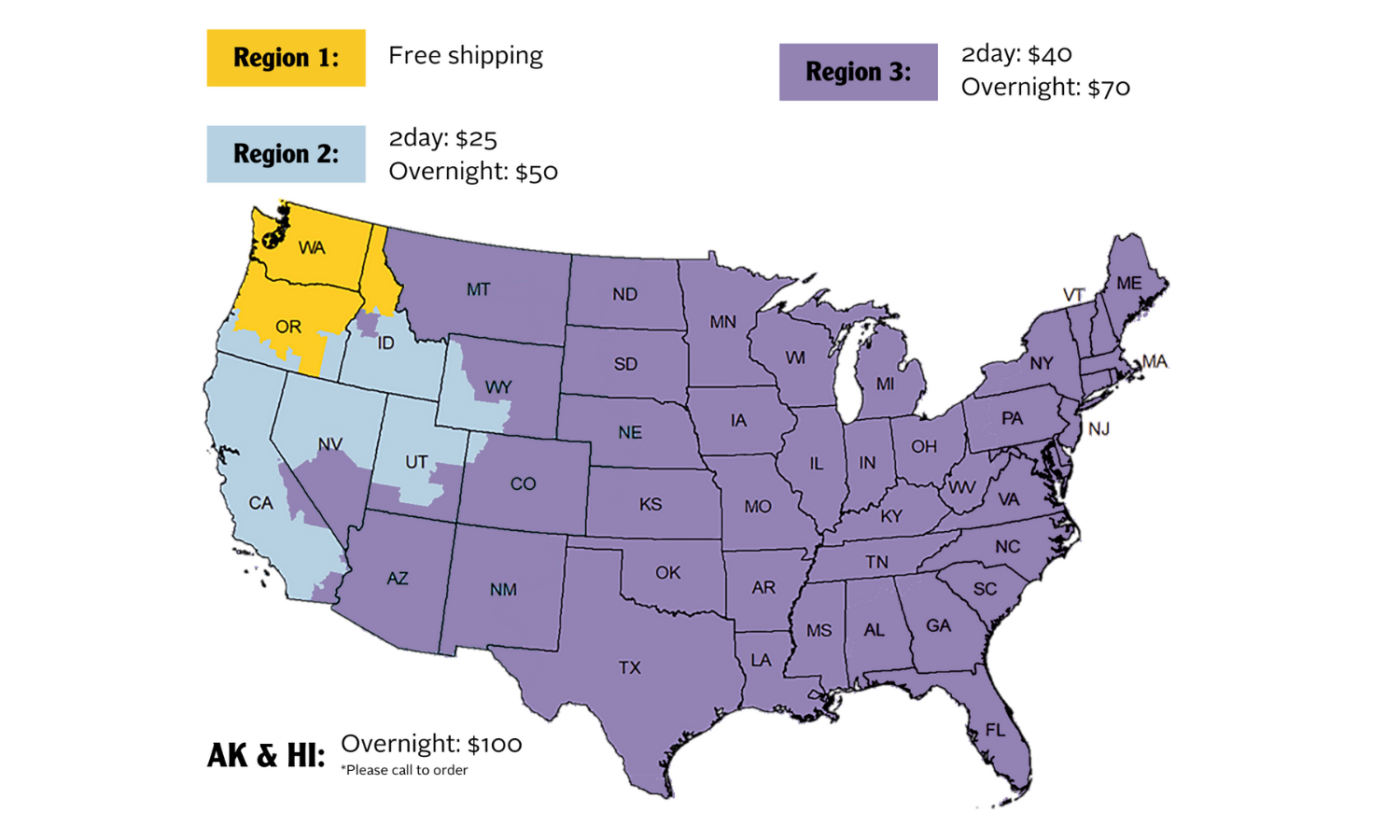
Had them for Valentines dinner. A little hard to shuck. We like smaller oysters, so Olympia fit the bill. Arrived on time, well packaged, wish shipping was less expensive.
I had to try these oysters as I am fro the East Coast and love the Atlantic oysters. I am not a fan of the Japanese Oysters (metallic taste to me) and was disappointed to find that they had made their way to Scotland and other northern Atlantic waters. These Oysters didn't appeal to me in flavor or brine. They were tiny 3 year olds and only a few had begun to develop a cup. Perhaps, with a few more years growth, they might appeal more. Still - I am very happy to have found these examples of what was (and, happily still are) the oyster of these waters.
